

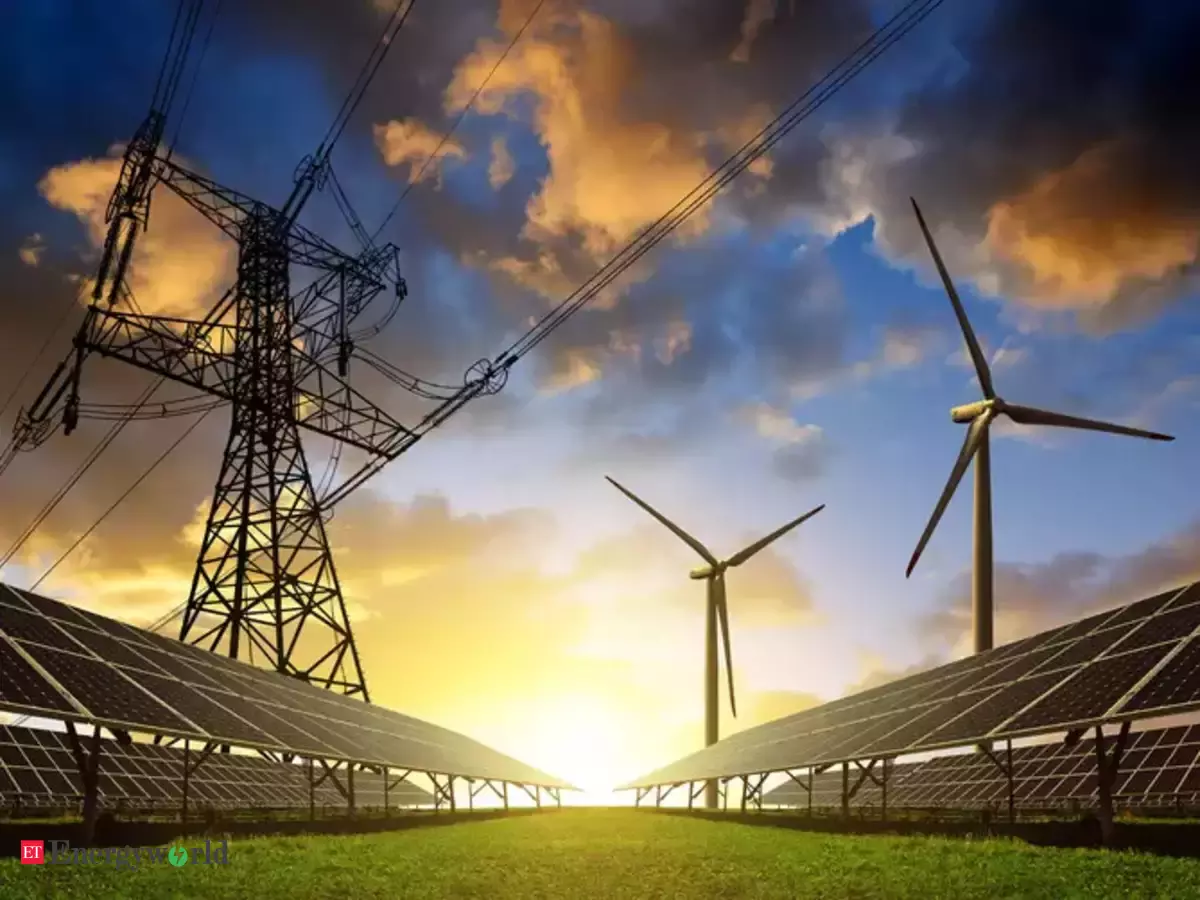
Climate change is a global crisis that significantly impacts the Renewable Energy sector in India. The country is particularly vulnerable to the effects of climate change due to its large population, high poverty rates, and limited resources. As a result, the Renewable Energy sector in India is facing several challenges that are making it more difficult to provide sustainable and reliable energy to its citizens. Many solar power companies in India are finding ways to deal with these climatic changes and are trying to find permanent solutions to sustainable energy. One such company is AMP Energy India, which installs, manufactures, and stores renewable energy to help companies and households in India shift to renewable energy.
Challenges
Extreme Weather Conditions
One of the major concerns for the Renewable Energy sector in India is the increasing frequency and intensity of extreme weather events. Climate change is causing more frequent and severe droughts, floods, and storms, which can damage or destroy renewable energy infrastructure. For example, severe storms can damage wind turbines, while droughts can reduce the output of hydropower plants. These events can also disrupt the supply of raw materials, such as wood and biofuels, used to generate renewable energy.
Changing Precipitation Patterns
Another concern for the Renewable Energy sector in India is the changing precipitation patterns. Climate change is causing changes in the amount, intensity, and timing of precipitation, which can affect the availability of water resources for hydropower generation. Additionally, changing precipitation patterns can also affect the growth of crops used for bioenergy production.
Changing Energy Demand
Climate change is also having an impact on the energy demand in India. As temperatures rise, air conditioning and cooling systems will become more critical, leading to increased energy consumption. Additionally, changing precipitation patterns can affect the productivity of agriculture and other sectors, which can lead to changes in energy demand. There are ways to fulfil people’s energy demands, like providing renewable energy battery storage, like Lithium-ion batteries. AMP Energy India supplies renewable energy storage solutions according to an individual’s requirements.
Policy and Regulations
The Renewable Energy sector in India is also facing challenges in terms of policy and regulations. The Indian government has set ambitious targets for renewable energy generation, but the lack of clear guidelines and rules makes achieving these targets difficult. Climate change is also increasing the need for more flexible and resilient energy systems, but the current regulatory framework needs to be equipped to support such systems.
Solutions
To address these challenges, the Indian government must take a comprehensive and holistic approach to address climate change and its impacts on the Renewable Energy sector. It includes increasing investments in renewable energy research and development, strengthening regulatory frameworks and policies, and building local communities and organisations’ capacity to adapt to climate change’s impacts.
Additionally, the Indian Renewable Energy sector must take steps to become more resilient to the effects of climate change. It includes designing renewable energy systems that can withstand extreme weather events, investing in energy storage systems to ensure continuity of supply, and diversifying the types of renewable energy sources used to reduce dependency on a single basis.
In conclusion, climate change is a significant concern for the Renewable Energy sector in India. The country faces several challenges related to extreme weather events, changing precipitation patterns, energy demand, and policy and regulatory challenges. To address these challenges, the Indian government must take a comprehensive and holistic approach to address climate change and its impacts on the Renewable Energy sector. Additionally, the Renewable Energy sector must become more resilient to the effects of climate change by designing renewable energy systems that can withstand extreme weather events, investing in energy storage systems, and diversifying the types of renewable energy sources used. By addressing these challenges, India can ensure a sustainable and reliable energy source for its citizens and contribute to the global effort to combat climate change.
