

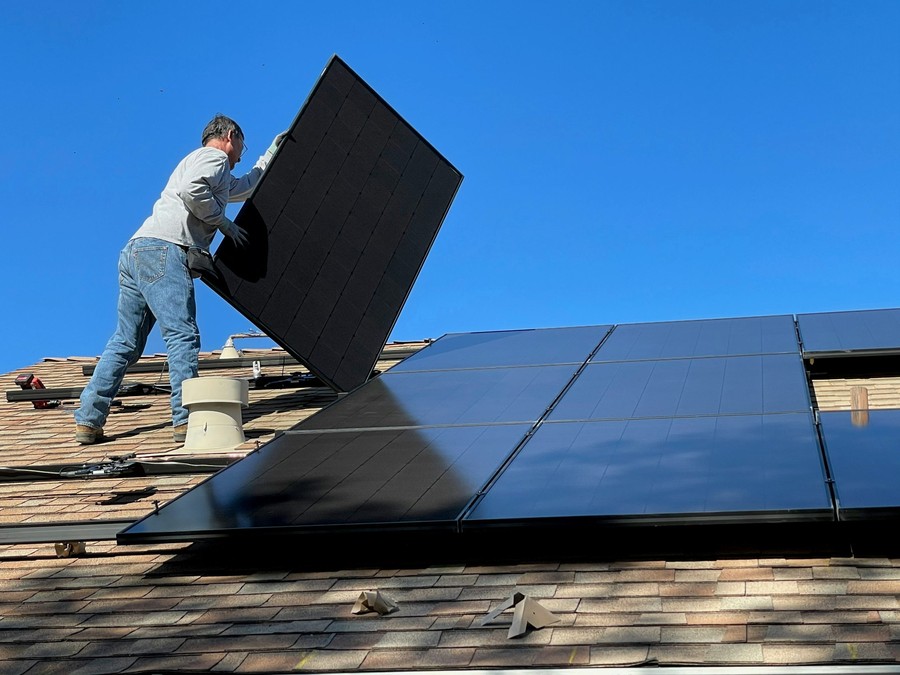
In the quest for sustainable and renewable energy solutions, solar cells, known in Swedish as solceller, have emerged as a powerful and eco-friendly technology. As the demand for clean energy rises globally, solceller are becoming an integral part of residential, commercial, and industrial power systems. This article explores how solar cells work, their benefits, types, applications, and the future potential of this revolutionary technology.
What Are Solar Cells (Solceller)?
Solar cells, or solceller, are devices that convert sunlight directly into electricity using the photovoltaic effect. They are the building blocks of solar panels and are typically made from semiconductor materials like silicon.
When sunlight hits a solar cell, photons from the sun’s rays knock electrons loose from the atoms in the semiconductor. This movement of electrons generates an electric current, which can be captured and used as electricity.
How Do Solceller Work?
The operation of solceller relies on a scientific principle called the photovoltaic effect. Here’s a step-by-step breakdown of how solar cells function:
- Absorption of Sunlight: The solar cell absorbs light from the sun, which is composed of tiny energy packets called photons.
- Generation of Electron-Hole Pairs: The energy from the photons excites electrons in the semiconductor material, creating free electrons and holes (positive charges).
- Electric Field Movement: The internal electric field in the solar cell pushes the electrons towards one side and the holes to the other.
- Flow of Electricity: This movement of electrons creates a direct current (DC) that can power electrical devices or be stored in batteries.
- Inversion to AC Power: An inverter converts the DC electricity into alternating current (AC), which is used in most homes and businesses.
Types of Solceller
There are several types of solar cells, each with unique properties and applications. Let’s explore the most common types:
1. Monocrystalline Solar Cells
- Made from a single crystal structure of silicon.
- High efficiency (15-22%).
- Longer lifespan.
- Sleek black appearance.
- Ideal for rooftops with limited space.
2. Polycrystalline Solar Cells
- Made from multiple silicon crystals.
- Slightly lower efficiency (13-17%).
- Less expensive than monocrystalline.
- Blue speckled appearance.
- Great for larger spaces.
3. Thin-Film Solar Cells
- Made by depositing photovoltaic materials on a substrate.
- Lightweight and flexible.
- Lower efficiency (10-12%).
- Suitable for large-scale applications like solar farms.
4. Perovskite Solar Cells
- Emerging technology with high theoretical efficiency.
- Made from hybrid organic-inorganic compounds.
- Still in the research and development stage.
- Potentially cheaper and easier to manufacture.
Advantages of Using Solceller
Switching to solar energy offers numerous advantages. Here’s why solceller are gaining popularity worldwide:
1. Renewable and Sustainable
Solceller harness energy from the sun, which is a virtually infinite and renewable resource. Unlike fossil fuels, solar energy doesn’t deplete natural resources or pollute the environment.
2. Reduces Electricity Bills
Installing solceller allows homeowners and businesses to generate their own electricity, significantly reducing their utility bills. In some cases, excess electricity can be sold back to the grid for credits.
3. Low Operating Costs
Once installed, solceller require minimal maintenance. With no moving parts, the risk of mechanical failure is low, making them cost-effective in the long run.
4. Environmentally Friendly
Solar cells produce zero emissions while generating electricity, helping reduce carbon footprints and combat climate change.
5. Energy Independence
With solceller, individuals and businesses can reduce reliance on external power sources, offering more energy security and resilience during power outages.
Applications of Solceller
Solar cells are versatile and can be used in a wide range of applications:
1. Residential Use
- Rooftop solar panels for homes
- Powering lights, appliances, and heating systems
- Solar water heaters and battery backup systems
2. Commercial Buildings
- Reducing operational costs
- Enhancing sustainability profiles
- Net metering for excess energy production
3. Industrial Facilities
- Powering machinery and large-scale operations
- Reducing carbon emissions
- Improving energy efficiency
4. Agricultural Use
- Solar-powered irrigation systems
- Electric fences and water pumps
- Cold storage units in off-grid areas
5. Off-Grid Solutions
- Rural electrification
- Remote clinics and schools
- Disaster relief operations
The Future of Solceller
As technology advances, the future of solceller looks even brighter. Several trends and innovations are shaping the next generation of solar energy:
1. Increased Efficiency
Research is continuously pushing the efficiency limits of solar cells. Tandem cells and multi-junction solar cells are showing potential to surpass 40% efficiency rates.
2. BIPV (Building-Integrated Photovoltaics)
Solar panels are being integrated directly into building materials such as windows, façades, and roof tiles, turning entire buildings into energy generators.
3. Energy Storage Integration
Advancements in battery technology are enabling better storage solutions for solar energy, allowing 24/7 usage even when the sun isn’t shining.
4. Smart Solar Systems
AI and IoT integration in solceller systems allows real-time monitoring, predictive maintenance, and energy optimization.
5. Recyclable and Sustainable Materials
Eco-friendly manufacturing processes and recyclable components are being prioritized to make solceller even more sustainable.
Challenges Facing Solceller
Despite their many advantages, solar cells face some challenges that need to be addressed:
- High Initial Investment: Installation costs can be high, although falling prices and government incentives are making them more affordable.
- Weather Dependency: Energy production drops on cloudy days or at night, making storage solutions essential.
- Space Requirements: Large systems require adequate space, which may not be feasible for all locations.
- Recycling Issues: End-of-life management of solar panels needs better recycling infrastructure.
Government Incentives for Solceller
Many governments offer incentives to encourage the adoption of solar energy, such as:
- Tax credits and rebates
- Net metering programs
- Low-interest loans
- Feed-in tariffs for excess electricity
- Grants for rural and low-income households
These programs help offset the initial cost of installation and promote the transition to renewable energy.
Tips for Installing Solceller
If you’re considering installing solar cells, here are some practical tips:
- Assess Your Energy Needs: Calculate how much electricity your household or business consumes.
- Evaluate Sunlight Exposure: Ensure your location receives adequate sunlight year-round.
- Choose the Right Type of Solar Cell: Match the solar cell type to your budget, space, and energy goals.
- Work with Certified Installers: Hire experienced professionals to ensure safe and efficient installation.
- Monitor Your System: Use digital tools to track performance and maintenance needs.
Conclusion
Solceller represent one of the most promising and environmentally friendly solutions for our growing energy needs. With their ability to harness the abundant power of the sun, reduce carbon emissions, and provide long-term cost savings, solar cells are transforming the energy landscape.
Whether you’re a homeowner looking to cut energy bills or a business aiming to improve sustainability, investing in solceller can be a smart and impactful decision. As technology continues to evolve, the accessibility, affordability, and efficiency of solar cells will only improve—making now the perfect time to join the solar revolution.